


Movies & OTT
Netflix, Amazon Prime, YouTube, Jio Hotstar
Mental Health
Anxiety, everyday mindset, managing stress, neurological
Delhi Pulse
Trending Delhi,
City Life,
Daily Insights AI Answers Life When AI meets everyday questions
City Life,
Daily Insights AI Answers Life When AI meets everyday questions
latest posts


Why some men look horrible in red pants?
Why eating a heavy lunch at your workplace can backfire?

First off, when you consume a massive meal, your digestive system can go haywire. Think discomfort, bloating, indigestion, and heartburn. It's like a carnival inside your tummy, and not in a fun way. Plus, your poor digestive system has to work overtime to handle all that food, making it harder for your body to absorb the nutrients it needs. Bummer, right? Next, heavy meals can be a one-way ticket to Weight Gain City. Especially if you're chowing down on calorie-loaded, fatty goodies. That extra weight can lead to some serious health issues, like diabetes, hypertension, and heart disease. But wait, there's more! When you feast on a hefty meal, your blood sugar can shoot up like a rocket, only to crash and burn later on. That rollercoaster ride messes with your energy levels, leaving you feeling tired, sluggish, and pretty darn grumpy. Say goodbye to being a productivity superstar.

And let's not forget about poor nutrient absorption. When you shovel too much food into your face at once, your body can struggle to get all the good stuff it needs. That means you might end up lacking important nutrients, which can mess with your overall health. Last but not least, heavy meals can be like a VIP ticket to Chronic Diseaseville. If you're constantly indulging in meals packed with saturated fats, trans fats, and added sugars, you're increasing your risk of things like heart disease, type 2 diabetes, and certain cancers. So, let's bring it home to your workplace. Eating a heavy lunch there can backfire in more ways than one. First off, it's a one-way ticket to Snoozeville. You'll be fighting off the Zzz monster instead of tackling your tasks like a boss. Blame it on all that blood rushing to your stomach, trying to digest that massive meal. Talk about a buzzkill.

Then there's the discomfort and bloating. Picture yourself trying to focus in a meeting while feeling like you swallowed a watermelon. Yeah, not exactly a recipe for success. That stuffed feeling can make it hard to sit at your desk, too. It's like your stomach is staging a revolt, complete with gas and all. And let's not forget the weight gain. Stuffing your face with a ton of food can lead to extra pounds creeping up on you. And trust me, those pounds don't play nice. They bring along their friends, like obesity, diabetes, hypertension, and heart disease. You definitely don't want to party with that crowd.

Oh, and did I mention the afternoon energy crash? That heavy lunch can mess with your glucose levels, leaving you feeling like a deflated balloon. Good luck making smart decisions, staying focused, or keeping your cool. It's like your brain checked out early for a vacation, and it's leaving you to deal with the consequences. To avoid this lunchtime disaster, here's the deal: opt for a balanced meal with plenty of fruits, veggies, lean proteins, and whole grains. And hey, watch those portion sizes! Don't go overboard. It's also a good idea to have smaller meals throughout the day instead of one mega meal. That way, you'll keep your energy levels steady and avoid the chaos of a heavy lunch.
Highly recommended workouts for people who have not exercised before

Start with walking: Walking is a low-impact exercise that is easy on the joints and can be done by people of all fitness levels. Start by walking for 10-15 minutes and gradually increase the time and distance as you become more comfortable.
Bodyweight exercises: Bodyweight exercises such as squats, push-ups, and lunges use your own body weight as resistance, which is a great way to start building muscle mass and strength.
Yoga: Yoga is a holistic practice that combines physical postures, breathing techniques, and meditation. It is a low-impact form of exercise that can improve physical strength and flexibility, as well as reduce stress and improve overall well-being.
Cycling: Cycling is a low-impact cardiovascular exercise that can be done indoors or outdoors. It's a great way to improve cardiovascular fitness and leg strength.
Find a workout buddy: Finding a workout buddy can be a great way to stay motivated and accountable.
Get guidance from a professional: A personal trainer or a physical therapist can help to create a workout plan that is tailored to your individual needs and goals. They can also help you to learn the correct form and technique for exercises, which is very important to prevent injuries.
Be consistent: It's important to establish a consistent workout routine, even if it's just for a few minutes a day. Consistency is key to seeing progress and reaching your goals.
Listen to your body: It's important to listen to your body and not push yourself too hard. If something hurts or feels uncomfortable, stop and rest.
Stay Hydrated: Drinking enough water throughout the day is important to support the body during exercise and to prevent dehydration.
Have fun: Remember that exercise should be enjoyable and not a chore. Find activities that you enjoy and make them part of your workout routine.
It's important to remember that starting an exercise routine can be intimidating, but it's important to start somewhere. Walking, bodyweight exercises, yoga, cycling, finding a workout buddy, getting guidance from a professional, being consistent, listening to your body, staying hydrated, and having fun are some of the best ways to get started with a workout routine that is safe and effective. Remember that it's important to start slowly and gradually increase the intensity and duration of your workouts.
YOU MIGHT ALSO WANT TO READ ABOUT HOW TO SCALE UP YOUR WEIGHT TRAINING
Scaling up your weight training means gradually increasing the intensity and difficulty of your workouts to continue making progress and reaching your fitness goals. Here are some tips for scaling up your weight training:
Increase the weight: As you become stronger, it's important to gradually increase the weight you are lifting. This will place more stress on your muscles and help to continue building strength.
Increase the reps: As you become stronger, you can also increase the number of reps you perform for each exercise. This will help to improve muscular endurance.
Increase the sets: As you become stronger, you can also increase the number of sets you perform for each exercise. This will help to increase the overall volume of your workout and place more stress on your muscles.
Add variation: As you become stronger, it's important to add variation to your workouts to challenge your muscles in different ways. You can do this by adding new exercises or by changing the angle, tempo, or form of an exercise.
Use progressive overload: Progressive overload is the gradual increase of stress placed on the body during exercise. This can be done by increasing the weight, reps, sets, or variations of an exercise over time.
Try compound exercises: Compound exercises work for multiple muscle groups at the same time, providing a more intense and effective workout. Examples of compound exercises include deadlifts, squats, and bench presses.
Rest and recover: It is important to allow your body to rest and recover between weight training sessions...
Top Online Information Sources for Seasonal Allergies in Kids

THIS IS NOT AN ARTICLE, but a list of online resources that carry useful information about SEASONAL ALLERGIES IN KIDS. This list should prove useful for parents and guardians:
https://www.healthline.com/health/allergies/seasonal-allergies
Healthline provides a good overview of the basics of allergies. It quickly summarizes the symptoms, causes, diagnosis, and treatment for allergies, along with a takeaway for the discussion. The page does not have too many hyperlinks. The information is easy to understand, written in simple English. Not too many advertorial graphics or banners that could spoil your reading experience. However, you might not find the detailed analysis you were looking for. Still, worthy of being bookmarked as a handy resource for understanding allergies, and yes, it features at the top of Google search results for this subject. This piece of information has been up and running since 2018, and since it still features impressively at the top end of Google search results, there must be some serious trust that the readers have invested in this information resource. Please save it if you are a parent or a guardian who is taking care of kids with allergies that just don't seem to go away - every chance of more updates appearing on this web page!
https://www.mayoclinic.org/diseases-conditions/hay-fever/in-depth/seasonal-allergies/art-20048343
Mayoclinic puts a highlight on stopping and treating seasonal allergies. It does dwell too much on the reasons for the allergy, but instead, this web page is more focused on triggers and types of allergies - highly recommended to folks who are still perhaps trying to identify their allergy patterns and history. A good discussion that combines everything, ranging from home remedies to manage allergy symptoms to common medications. Worth saving and recommending. Very easy-to-understand publishing standards and the clarity of information is worth recommending!
https://kidshealth.org/en/parents/seasonal-allergies.html
Although this information source usually provides very handy data for such subjects, the information on display here is not the best if you have been searching for "seasonal allergies in kids". The information is rather limited and does not explain a lot about how these allergies come about and the different options available. The page was reviewed and updated about a year ago, so it has not aged. It perhaps needs a bit more information to hold on to its spot in Google's search results and to become a trusted source of information about kids' allergies for parents and guardians.
https://acaai.org/allergies/allergic-conditions/seasonal-allergies/
A short discussion that seems like it was drafted by a healthcare specialist or an allergist. There is a YouTube link to a video within the page, and the information in the video is rather good. Not a lot of systematically embedded sub-headings throughout the page like some of the sources quoted above, but a good read for sure. I was wondering why they use the banner image of the outdoors, though - is this saying that the outdoor environment is the source of most allergic reactions?
https://www.nccih.nih.gov/health/seasonal-allergies-at-a-glance
A good discussion that helps you understand the science of allergies rather than merely dwelling on the most common symptoms and over-the-counter medications. This is expected since the data published by NIH is not the usual type of article or blog that you find elsewhere. For instance, the bit about the Nutritional Approach to seasonal allergy might not be found anywhere else!
https://www.chop.edu/news/health-tip/seasonal-allergies-keeping-symptoms-check
I was expecting more from Chop.edu since it has been a good source of information about various topics related to health, medication, drugs, lifestyles, and diseases. Surprisingly, it does not talk about the dangers of people overusing and self-using common anti-allergy medications, and it does not touch upon things like how some specific allergy meds can interact, and the resulting problem could be a big problem for the parents. The bit about eliminating seasonal allergy triggers could be helpful. Negligible levels of advertorial banners or links - very easy on the eyes format and recommended for a quick read.
https://www.msdmanuals.com/en-in/home/immune-disorders/allergic-reactions-and-other-hypersensitivity-disorders/year-round-allergies
I am not sure what MSD Manual for Consumers means, but I am guessing it means that the information has been simplified for the untrained, average reader like you and me. You might say that this page talks about Perennial Allergies and not Seasonal Allergies. However, just scan the on-page navigation options on the left-hand side and you will find a clear distinction between the two topics - something that no online information source bothered to do. A great effort to make the information easier to understand for everybody.
https://www.webmd.com/allergies/spring-allergies
There cannot be an instance where the discussion is about a disease or medical condition and WebMD does not contribute; however, this time, the information is slightly shorter than our expectations. I would have loved a paragraph explaining if seasonal allergies subside on their own as we age or do childhood allergies persist into adulthood. The platform could have written about how some of the allergic reactions might seem too similar to flu symptoms, and how parents should try to differentiate between the two.
https://greatist.com/health/best-ways-beat-spring-allergies#tl-dr
A surprising information source for me, the Greatist.com really detailed the subject so well. This web page talks about the subject in detail. A few more than anticipated banner ads were created by user tracking systems, perhaps, but overall, the presentation is good and the information is helpful. There seems to be something wrongly coded at the top of the page where you can see "tl;dr" but overall, worth saving and revisiting if you really want to know more about seasonal allergies in kids.
https://www.mountsinai.org/health-library/diseases-conditions/allergic-rhinitis
I recommend it more for the video that explains the subject of allergic reactions rather well. Not very sure about the publishing standards here since there is a slider-type method to read the text along with videos, and in places, the words seem so densely packed that the readability of the data becomes an issue. This page perhaps needs a better presentation, but the information captures it all.
https://www.choa.org/parent-resources/allergy/managing-seasonal-allergies-in-kids
Very handy for understanding unknown and lesser-known allergens and allergy-causing factors at home or work that we tend to miss.
https://www.whattoexpect.com/first-year/health-and-safety/seasonal-allergies-babies-toddlers/
Worth saving and revisiting for parents who are worried about repeated allergies among their kids. The resource links at the bottom are also good and just might take you deeper into the subject.
https://www.aspireallergy.com/blog/stop-ignoring-symptoms
Only an allergy specialist could have spoken about it - about the problems associated with leaving allergies untreated. This is important for people with recurring and perennial allergies. The information is provided by an institution that seems to have all the diagnostic tools and experience needed to fix allergies and similar problems. The bit about developing mood disorders due to untreated allergies was a big realization and something I can understand.
https://medicine.yale.edu/news-article/five-things-you-may-not-know-about-seasonal-allergies/
The information here was enlightening, carrying information about seasonal foods, seasonal changes, and hence, seasonal allergies! I am sure not many people will see this connection.
Electric cars are changing a lot...Past, Present, Future

Reuters reported that European Union countries gave final approval to a significant law aimed at ending the sales of new CO2-emitting cars by 2035. This approval follows Germany's securing an exemption for cars running on e-fuels. The EU energy ministers' endorsement means that this major climate policy for cars can now be implemented, despite delays caused by last-minute opposition from Germany. The new law mandates that all new cars sold from 2035 onwards must have zero CO2 emissions. Additionally, it requires a 55% reduction in CO2 emissions from new cars by 2030 compared to 2021 levels. These targets are set to accelerate the decarbonization of new car fleets across Europe. In 2020, most people around the world liked the idea of electric cars. More and more people were becoming aware of the benefits of electric cars, such as lower carbon emissions and lower operating costs. Governments and private companies all over the world were putting money into making electric cars and charging stations, and automakers were putting out new models with better performance and longer battery life. Consumers were also becoming more interested in electric cars, and many saw that they could help protect the environment and make transportation more sustainable. Many cities and countries have also put in place things like tax credits, subsidies, and access to HOV lanes to encourage people to buy electric cars. But electric cars were still not widely used because they were expensive up front, had a short range, and some places didn't have the infrastructure to charge them.
Best workout tips (Series B) with AI Insight

Best workout tips for people who exercise at night
For people who exercise at night, it's important to follow certain guidelines to ensure that your workout is safe and effective. Here are some workout tips that may help:
Stay hydrated: Drink plenty of water before, during, and after your workout to stay hydrated. This is especially important if you are exercising in a hot or humid environment.
Warm-up: Begin your workout with a warm-up to prepare your body for exercise. This can include gentle stretching or a low-intensity activity such as walking.
Wear reflective clothing: If you exercise outdoors at night, wear reflective clothing or use reflective gear to make yourself more visible to drivers.
Use proper lighting: If you are exercising in a poorly lit area, use a headlamp or other light source to help you see and be seen.
Avoid heavy meals: Avoid eating heavy meals before exercising, especially if you have a sensitive stomach. Opt for a light snack such as fruit or a protein bar instead.
Be aware of your surroundings: If you are exercising outdoors at night, be aware of your surroundings and avoid dangerous areas or poorly lit locations.
Cool down: End your workout with a cool-down to gradually bring your heart rate and breathing back to normal. This can include gentle stretching or a low-intensity activity such as walking.
Remember, it's important to listen to your body and stop exercising if you experience any pain or discomfort. Consult your doctor before starting any new exercise program, especially if you have any medical conditions or concerns.
Best workout tips for people with low blood sugar levels
If you have low blood sugar levels, it's important to exercise in a way that maintains your blood sugar levels and prevents hypoglycemia (low blood sugar). Here are some workout tips that may help:
Check your blood sugar levels: Check your blood sugar levels before, during, and after exercise to monitor how your body responds to physical activity.
Eat a small snack: Eat a small snack, such as a piece of fruit or a granola bar, before exercising to provide your body with energy and prevent hypoglycemia.
Avoid exercising during peak insulin action: Avoid exercising during the peak action time of your insulin, which is when your blood sugar levels are at their lowest.
Choose low- to moderate-intensity exercises: Choose low- to moderate-intensity exercises such as walking, cycling, or swimming, which are less likely to cause a rapid drop in blood sugar levels.
Carry a source of sugar: Carry a source of fast-acting sugar, such as glucose tablets or candy, with you during exercise in case your blood sugar levels drop.
Monitor your body: Pay attention to how your body feels during exercise and stop if you experience symptoms of hypoglycemia such as dizziness, confusion, or sweating.
Talk to your doctor: Talk to your doctor or a registered dietitian to develop a personalized exercise plan that takes into account your blood sugar levels and other medical conditions.
Remember, it's important to listen to your body and make adjustments to your exercise routine as needed. Consult your doctor before starting any new exercise program, especially if you have diabetes or other medical conditions.
Best workout tips for people with blood pressure fluctuations
If you have blood pressure fluctuations, it's important to exercise in a way that helps to regulate your blood pressure and is safe for your health. Here are some workout tips that may help:
Check your blood pressure: Check your blood pressure before, during, and after exercise to monitor how your body responds to physical activity.
Warm-up: Begin your workout with a warm-up to prepare your body for exercise. This can include gentle stretching or a low-intensity activity such as walking.
Choose low- to moderate-intensity exercises: Choose low- to moderate-intensity exercises such as walking, cycling, or swimming, which are less likely to cause a rapid increase in blood pressure.
Avoid high-intensity exercises: Avoid high-intensity exercises such as weightlifting or sprinting, which can cause a sudden increase in blood pressure.
Rest between sets: If you are weightlifting, take frequent breaks between sets to allow your blood pressure to return to normal.
Stay hydrated: Drink plenty of water before, during, and after exercise to stay hydrated and help regulate your blood pressure.
Monitor your body: Pay attention to how your body feels during exercise and stop if you experience symptoms such as dizziness, shortness of breath, or chest pain.
Cool down: End your workout with a cool-down to gradually bring your heart rate and breathing back to normal. This can include gentle stretching or a low-intensity activity such as walking.
Remember, it's important to listen to your body and make adjustments to your exercise routine as needed. Consult your doctor before starting any new exercise program, especially if you have high blood pressure or other medical conditions. They may recommend specific exercises or modifications to help regulate your blood pressure.
Revisiting Workout Tips for People with Arthritis and Similar Conditions

It would be foolish to interpret arthritis as a condition that affects only the aged population. People as young as 35 years are developing arthritic symptoms - at least in the cities, at least among people who are always doing the balancing act, trying their best to be a good son, husband, father, and office colleague. Arthritis can show up with the most silent symptoms, in the form of that slight backache that tends to send a slight shiver along the spine when you are getting out of the car after reaching the office. It can be more pronounced in one limb of the body. For instance, if you are a banker and do a lot of document signing throughout the day, your fingers and wrist can be unusually sore due to an underlying arthritic condition, and not just the volume of physical work. If you have arthritis, it's important to exercise regularly to maintain joint mobility, reduce pain, and improve overall health. Here are some workout tips that may help:

Consult your doctor or a physical therapist: Before starting any exercise program, it's essential to consult your doctor or a physical therapist to determine the best exercises for your specific type of arthritis and its severity. You might realize that the usual family physician may not understand the severity of the problem. If you repeatedly feel cramped in the mornings and if getting up from a seated position, at home or the office, seems increasingly painful, just vitamin D supplementation is not good enough. Just consider consulting an orthopedic and not just a general physician. A specialist here will also be able to guide you about the small things to manage arthritis when exercising, such as using hot and cold presses alternatively or perhaps not using one of them based on the symptoms you share during the consultation. GET HELP, BUT THE RIGHT TYPE OF HELP!

Start slow: anybody suffering from arthritis or a medical condition that interferes with physical activity will know that there is nothing out there that can take away the pain immediately. Exercising with arthritis presents the same predicament - you know there will be very bad days, some ugly days, but there will be many occasions too when exceeding your expectations in terms of the weighted military press will leave you with a sense of triumph. There is only one way to increase the density of good days and avoid instances of overtly exerting your body. You need to know more about low-impact exercises such as walking, swimming, or cycling, and buy the gear that might be necessary to manage no-gym days when you need to listen to your body and go slow. Being slow is perhaps the big summary of managing physically demanding exercises despite having arthritis. Whether you are just starting your journey in the gym or you have bought an expensive spin cycle for home, gradually increase the intensity and duration of your workouts as your joints become stronger. You have to admit that your body needs a bit more care than others at the gym. So adding some lighter, walking days when exercising is just about adding miles on foot, is a great idea to mix it up and to ensure that you don't trigger more arthritic symptoms.

Use proper technique: Grip it better - that would be my big advice to anybody who is trying to master the kettlebell overhead movement or the deadlift. While gymgoers are preached about keeping their back straight or breathing properly, nobody seems to emphasize the need to grip the rod or a dumbbell better. Proper technique is crucial to avoid joint damage and reduce pain. You don't need an appointment with a physical therapist or trainer to learn the correct form for each exercise - the information is out there on the web. The real effort lies in following what is shown via social media videos and training modules. Someone with arthritis needs to be more careful about the basics of posture when doing weights, such as not going down to a squat position when lifting a weight off the floor, as compared to someone with better mobility who can conventionally bend and lift the object. If you are someone with more grit than precaution, a strong grip will also help you complete the movement through the discomfort - squeezing hard via the fingers helps to perform better when you are already in some pain. You might want to stretch before and after exercising. Stretching helps to warm up the muscles and increase flexibility, reducing the risk of injury. Make sure to stretch after your workout as well to prevent muscle soreness.

Listen to your body: If you experience pain or discomfort during exercise, stop and rest. Pushing through the pain can lead to further joint damage and inflammation. Arthritic pain can have serious seasonal swings. Winters and humid seasons can be more demanding. The typical painkillers might not provide relief. If you are pushing 50, the pain can be excruciating. You need to know that taking a day off from the gym is a good idea, only to come back stronger. This is when even the treadmill might not be a good idea. When your body seems too heavy, when the same pair of dumbbells suddenly seems immovable, and the joints are sore, you know that somewhere deep down, your body is not going to listen to you. Don't force it. A couple of days away from the gym can be calculated as the number of extra time you have to put in over the next 10 days to clear the deficit - this is easy, but you have to keep your patience.

Is this Pandemic, the WFH reality-check that we needed?

Even as I write this, am glancing at the time, it is almost 5.30 pm here and my work for the day is far from over. Ever since the WFH / work-from-home schedule started, I have been unable to sign off all of the tasks by the evening. At office I was perhaps a lot more adept at time management. Still, I feel, I am more available throughout the day, more keen on working in tandem with the marketing teams because I conserve a lot more energy. The shortest breathers, like a 10-minute tickling session with my baby or changing her diapers, freshens the mind.
Things I can say with surety about these 'Perpetual Borrowers'....winners and sinners at the same time.

Ready to adapt: this couple didn't seek the most comfortable environment for raising a family. They were ready to use whatever little space was available. And this plot of nesting land, too did came with plenty of distractions and lots of intrusions. However, their family has settled in rather well. They ensured picking a spot that provided comprehensive coverage against the sun and rain. What seems like a combination of living room and bedroom, their one-room accommodation comes sans any pretensions. They think that the iron pipe in the background is their idea of home decor, and the ugly remains of a shoddy cement job, once done, represent the landscaping. Overall, if this were a home-to-rent deal, nobody would have bought it. But like true borrowers, this couple overlooked all the possibly not-so-great things and chose to set up their nesting headquarters amid the ugliness.
Why corona hit restaurants businesses should and can pick-up...it is about mutual gains.
 |
PHOTOS BY KARI MASON
|
However, this is not the standard practice across the food serving industry, at least not in India, where the best pub might have a couple of cockroaches waiting to surprise you under the table. This is perhaps a good time as any to make this benchmark common; whether you are a five-star hotel or a roadside Dhaba, you will need to comply with more-than-average food hygiene standards. Obviously, the business owners are not going to be very upbeat about this, but then, the option is still a lot better than closing shutters. Further, more regulations can be put into place for food ordering, packaging, and delivery, at least until this phase blows over.
This means that each restaurant out there will need to upgrade to better food packaging standards and create cleaner cooking ecosystems that are doable with so many advances in food packaging/serving/preservation mediums. Yes, the conventional dining-out experiences are dead for some time, but if people really want to do it, and if they work with the local governments, there might still be a way to deliver a fine evening wining & dining experience at the doorstep - this might create more employment rather than firing the restaurant staff. If you compare this with the current trend of a restaurant business saying that we are closing out forever, this is worth a try at least - let us not kill the jobs that can be saved!
Gardening in the COVID Era is just like WFH - manage it better!! manage what you have!!

The idea is simple - I cannot wait for things to get normal and allow the balcony gardening spread to take a more severe beating. As a result, the amount of aloe vera growing across my 4 balconies has increased exponentially. This is one plant you can trust when the going gets tough. Transplanting aloe and growing it in make-shift planters, too, is easy. For the first time in my 5 years of gardening, I have some degree of respect for the money plant. Until recently, I would frown upon it as an easy plant, an un-special plant, a bit too generic plant, and a lot more not-so-emphatic opinions.
Now, it seems like this is the plant to fill up planters that were getting a regal treatment until the pandemic broke out. Just like the aloe, the money plant is easy to care for and transplant. It can easily survive the high-shadow areas in the balconies. Just regular watering seems like the constant demand, and watering, using my arsenal of sprayers, is something I genuinely like doing, so this is not much of a chore for me. Now, the last entry in this list of Corona-restricted household gardening efforts is the snake plant. I have the smaller, stout variety that is very versatile and undemanding - nothing like the women I had dated during my late 20s and early 30s...an easy-breezy plant that needs little caring and basic handling.

Hygiene-up in times of Corona for the Fiddler

How Corona is bringing back the balcony culture in my city..kind of!

Best workout tips for people cannot jump high
 Jumping is an important part of exercising because it provides several benefits to the body. Jumping exercises, also known as plyometric exercises, are a type of high-intensity, explosive movement that can improve overall physical fitness and athleticism. Before delving deeper into why jumping should be a part of your workout regimen, it is also necessary to scan the pitfalls of it with one good example, commonly referred to as a jumper's knee. This problem is not due to weak bones or an existing injury. It happens to people who have been jumping a bit too much or those who are not used to jumping but are trying to push themselves into it.
How to work from home when you are managing a toddler?

In today's world, working from home is common, and while it has many benefits, it can also be hard for parents. Work and family life can be hard to balance, and parents who work from home face a number of challenges that can make it hard for them to be productive and do their jobs as both parents and employees. In this article, we'll talk about some of the biggest problems that parents face when they work from home.
Distractions: Children are naturally active and curious, which can make it hard for parents who work from home to concentrate on their work without being interrupted by their kids. Parents can find it hard to focus on their work when their kids want their attention, want to play with their toys, or need to do chores around the house.
Lack of separation between work and home life: When you work from home, it can be hard to keep work and home life separate, which can cause the lines between the two to blur. This can make it hard for parents to leave work behind and spend quality time with their kids. Also, work can get in the way of family time, which can make you feel guilty and frustrated.
Lack of structure and routine: It can be hard for parents who work from home to keep a structured and routine work schedule. This can make it hard to tell the difference between work and family life.
This can make it hard for parents to set priorities and make good use of their time.
- Care for children: Parents who work from home often have to find a way to balance their work and their children's needs. This can mean dealing with sick kids, taking care of kids who aren't in school or taking care of younger kids who need constant attention.
- Isolation: Parents who work from home can feel lonely because they don't get to talk to their coworkers and colleagues as much as they would in an office. This can be especially hard for parents who are used to having coworkers with whom they can share ideas or talk about their lives.
- Technical problems: Problems with the internet, software, or hardware can all interrupt a parent's workday and add to the stress and frustration of working from home. Self-care: It can be hard for parents who work from home to find time for things like exercise, healthy eating, and free time to do things they enjoy.
This can make you feel burned out and less satisfied with your job.

Working from home can be hard for parents because it can be distracting, and there isn't a clear line between work and home life. Parents also have to take care of their children and deal with technical problems. But with the right strategies, parents can get past these problems and find a good way to balance work and family life. Setting clear boundaries between work and home life, putting self-care first, and getting help from family, friends, or a professional counselor are all examples of these strategies. Working from home can be a good and fulfilling experience for parents if they do it the right way.
SOME TIPS TO HELP WORKING PARENTS WITH THIS
Taking care of a toddler while working from home can be hard. But it can be done well if you are organized and have patience. Here are some suggestions to help the process go more smoothly:
Make a schedule:
- Set up a routine for both you and your toddler to follow every day.
- This will help you both know what to expect and keep things from getting in the way at work.
- Set limits: It's important to set limits between your work life and your life at home.
- This can be done by giving everyone a set place to work and a set time to work.
Get your toddler involved: Look for ways to include your toddler in your workday.
- This can be done by giving them easy things to do, like sorting papers or helping to make lunch.
- Take breaks: It's important to take breaks from work so you can spend time with your toddler and recharge your own batteries.
- Try to plan these breaks ahead of time so you can get the most out of the time you have together.
- Plan for possible distractions. Toddlers can be hard to predict, so it's important to plan for possible things that could get in the way.
- This can mean having a backup plan in case something goes wrong or having toys and activities on hand to keep them busy while you work.
Take care of yourself first. Taking care of yourself is important if you want to be able to handle work and a toddler well. Make time to work out, take care of yourself, and relax.
Talk to your boss: If you can, talk to your boss about what's going on.
They might be able to give you more freedom or work around your needs to make it easier for you to work from home with a toddler. In the end, working from home with a toddler can be hard, but it is possible if you have the right plans. You can handle both work and a toddler if you have a routine, set boundaries, include your toddler, take breaks, plan for distractions, put self-care first, and talk to your employer.

YOU MIGHT ALSO WANT TO KNOW: Do employers help out parents who work from home and have small children?
Yes, some employers do help parents who work from home and have small children. The type and level of support can vary from employer to employer and from employee to employee. Here are some kinds of help that an employer might give:
- Flexible work arrangements: Some employers may offer flexible work arrangements, like flexible schedules or part-time work, to help parents balance their work and family responsibilities.
- Childcare help: Some employers may provide on-site child care or help pay for child care for employees who need it while working from home.
- Technology and equipment: Employers may give their workers the laptops, monitors, and ergonomic office chairs they need to do their jobs well from home.
- Support for mental health: Some employers may offer counseling services, mindfulness programs, or other types of mental health support to help employees deal with the stress and challenges of working from home.
- Training and development: When an employee works from home, their employer may offer training and development opportunities to help them improve their skills and knowledge.
It's important to remember that not all employers offer these kinds of help, and the level of help can vary depending on the employer and the needs of the employees. It's always a good idea for employees to talk to their boss about their needs and find out what kinds of help are available.
 What is better for parents working from home and managing kids - working during the day or the night?

There is no one-size-fits-all answer to this question because the best schedule depends on each person's unique situation. Some parents might find it easier to work during the day while their kids are at school or with someone else, while others might prefer to work at night when their kids are sleeping. Parents who work during the day may be able to focus more on their jobs and get more done because they have set times to do so. They may also be able to spend more time with their kids when they are not working. But it could also mean that parents don't have time to spend with their kids or take care of their needs during the day.
Parents who work at night may be able to spend more time with their kids during the day and be more available to meet their needs, but they may also feel tired and burned out. Working at night can also make it hard for the rest of the family to get enough sleep, which can mess up schedules and affect both work and family life. In the end, the best schedule will depend on many things, such as the parents' work schedules, their children's needs, and their own sleep habits and preferences. Parents need to find a schedule that works for them and their families, and they need to let their employers know what they need so that they can balance their work and family responsibilities well.
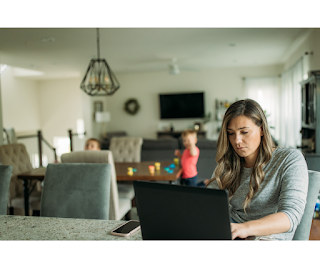
A bit about work-from-home for those who believe that the Pandemic brought this to our lives...

The idea of working from home has been around for a long time, but the COVID-19 pandemic has brought it to the attention of millions of people around the world.
The pandemic has sped up the move toward working from home, and many companies are scrambling to get used to this new normal.
But it's important to remember that people were already working from home before the pandemic.
In the past few years, improvements in technology have made it easier to work from home, and more and more companies are starting to like the idea of a flexible work environment.
The rise of the gig economy and the need for a better balance between work and life have also contributed to the rise of remote work.
Before the pandemic, the number of people who worked from home at least half the time was already at 4.3 million, according to a 2019 survey.
The pandemic has only sped up this trend, as companies have had to quickly switch to remote work to make sure their employees are safe.
Even though this sudden change has brought some problems, many companies are starting to see the benefits of remote work, such as higher productivity, lower overhead costs, and a happier, more engaged workforce.
In conclusion, working from home was becoming more popular before the COVID-19 pandemic, but the COVID-19 pandemic has forced organizations to adopt it much more quickly.
Companies are starting to see the benefits of a flexible work environment as remote work becomes more common. They are thinking about making it a permanent part of their business models.
The future of work is already here, and it is becoming more and more remote. This gives workers more control over their work-life balance and a better quality of life - the Pandemic just made this concept more mainstream, bringing it to nearly the entire IT sector!How to work from home if there are seniors in the home who need care?

It can be hard to care for seniors and work from home, but it is possible with some planning and preparation.
Here are a few suggestions that might help:
- Set a schedule and stick to it. Make a routine that works for both you and the senior you are caring for.
- Make a space just for work. It should be quiet and comfortable so you can work without being distracted.
- Talk to your boss and coworkers and let them know what's going on and if you have any specific needs or problems.
- Plan for the seniors' needs. Make sure meals, medicine, and activities are planned for the senior while you are at work.
- Take breaks. It's important to stop what you're doing every so often to check on the seniors and see what they need.
- Consider getting help from someone else. You could hire a caregiver or sign up for an adult daycare program to give you a break.
By using these tips, you can work from home and still take care of other people's needs.

What do therapists say about people who work from home?
Different psychiatrists have different thoughts about working from home, but many have raised concerns about how it affects mental health. Here are a few common thoughts:
- Isolation and loneliness: Working from home can make you feel alone and isolated, which is bad for your mental health.
- Work-life balance: When you work from home, it can be hard to separate work and home life, which can lead to more stress and burnout.
- Lack of physical activity. Sitting at a desk for long periods of time can lead to a sedentary lifestyle, which is linked to depression and anxiety, among other health problems.
- Boundary problems: When you work from home, it can be hard to tell where work time ends and personal time begins. This can make you feel guilty or angry.
A structure can be hard to set up. Some people may find it hard to set up a structured schedule and stay disciplined when they work from home. But psychiatrists also say that working from home can be good in some ways, like giving you more freedom and letting you spend more time with loved ones. The key is to find a balance that works for you and to take steps to keep your mental health in good shape.

Some Concluding Thoughts: working from home hasn't been easy for couples, even without kids or seniors to take care of...
Working from home has had a big effect on many couples, both in a good way and in a bad way.
Here are some common effects:
- More time together. Working from home has given some couples more time to spend together, which has strengthened their relationship.
- Relationships have been strained for some people who work from home because they spend more time together, and the lines between work and personal life become less clear.
- Problems with balancing household responsibilities. When both partners live at home, it can be hard to take care of the housework and the kids at the same time.
- Less intimacy and sexual satisfaction. The lack of privacy and increased stress that come with working from home can make people feel less close to each other and less sexually satisfied.
- Better communication: Working from home can make you need to talk to people more clearly and openly, which can make your relationships better and help you understand them better.
The effects of a work-from-home lifestyle on couples are different for each pair and depend on their individual situations and the way their relationships work. Couples need to talk
to each other openly and find ways to help each other keep a healthy balance between work and life.
YOU MIGHT ALSO WANT TO KNOW WHY the work-from-home lifestyle, culture, and problems are not going away any time soon!
Because of the COVID-19 pandemic, companies all over the world have been forced to allow millions of employees to work from home.
Many people at first thought that remote work was just a temporary way to deal with the pandemic, but it's becoming clear that it's here to stay.
In this article, we'll talk about why people will still work from home after the pandemic is over.
Studies have shown that people who work from home are often more productive than people who work in an office setting.
With the ability to get rid of distractions and make their own workspace, remote workers are able to focus better and finish tasks more quickly.
Cost Savings: One of the best things about remote work is that companies can save money on costs.
Companies can cut their overhead costs by not having to pay for a physical office. This saves money on rent, utilities, and other costs.
Work-Life Balance: Employees have more control over their work-life balance when they work from home.
If employees don't have to drive to work every day, they can spend more time with their families, do hobbies, and take care of other personal responsibilities.
Talent Attraction and Retention: Companies that offer remote work options are more appealing to job seekers since remote work is becoming more important to many people.
By letting people work from home, companies can find and keep the best workers, even if they live in different cities or countries.
Accessibility is also improved because remote work makes it possible for people with disabilities or who live in remote areas to work.
This increased access could make the lives of many people better and help close the gap between those who can work and those who can't.
In conclusion, working from home is not a temporary trend, and it will keep happening even after the pandemic is over.
Companies are likely to make remote work a permanent part of their business models as the benefits of it become clearer.
Remote work is the way of the future, and it gives employees a better quality of life, makes them more productive, and saves companies money.
I just read this article on the Hindustantimes.com: Why adults pursuing career growth or personal interests are the 'new majority' student.
A growing number of adults — not just recent high-school graduates — are enrolling in college courses. These learners [including parents] are often older than traditional students. They are returning to school for career growth, skill development, personal interests, or new opportunities rather than just a standard four-year degree path. The trend includes people already in the workforce, parents, and those juggling jobs and family duties. They might take credit or non-credit courses, pursue professional certificates, enroll in continuing education programs, or even begin new degree studies. Why they’re going back to school:
- To advance their careers, get higher pay, or improve job stability.
- To learn marketable skills in areas like technology, business, or creative fields.
- To satisfy personal interests or pursue subjects they didn’t study earlier.
Universities and colleges are offering more flexible programs — such as part-time enrolment, online courses, and shorter certificate options — to fit adult learners’ busy lives. These adult students [often parents who were recently in the WFH mode] often balance school with work and family. Experts recommend planning around time, finances, and goals before stepping back into higher education. Support systems like employer tuition programs and flexible schedules make it easier.
Subscribe to:
Posts (Atom)